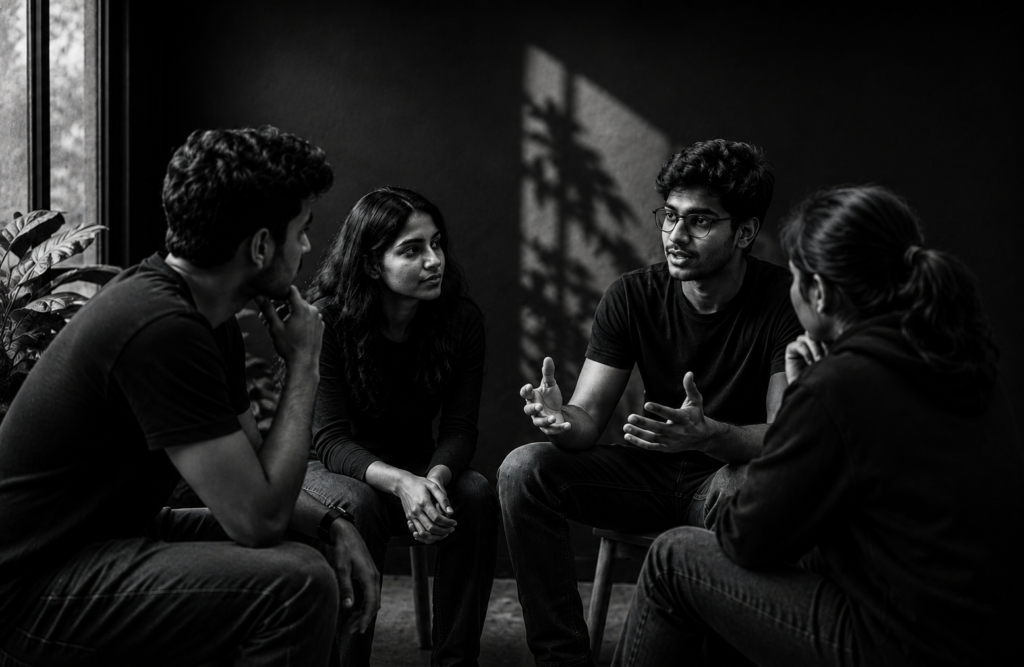
For generations, youth have been spoken about as the future. It sounds encouraging. Almost flattering. But there is something limiting about it too. If young people are always described as the future, we risk overlooking the fact that they are already shaping the present. They are building businesses, creating art, organising communities, entering public life, experimenting with technology, questioning traditions and creating conversations that previous generations may never have imagined. They are not simply preparing for their turn. They are already participating in the world. The question is whether the systems around them are prepared to recognise that participation